The Science Behind Hair Transplant Shock Loss: What Patients Must Know
- Written by Our Editorial Team

- Feb 6
- 6 min read
Updated: 6 days ago

In the weeks following a hair transplant, many patients experience a phenomenon that can be deeply unsettling: the shedding of their existing, native hair or the sudden loss of newly transplanted grafts. This occurrence, known clinically as Telogen Effluvium or "Shock Loss," is perhaps the most significant psychological hurdle in the entire recovery process.
For the patient, seeing hair fall out shortly after investing in its restoration feels counterintuitive—and at times, alarming. However, when viewed through the lens of scalp physiology, shock loss is rarely a sign of surgical failure. Instead, it is a sophisticated biological reaction to the trauma of surgery and a profound shift in the follicular lifecycle.
To navigate the recovery phase with confidence, it is essential to move beyond surface-level reassurance. Understanding the science behind shock loss—why it occurs, the difference between temporary and permanent shedding, and how elite clinical techniques minimize its impact—is the foundation of a successful long-term result.
The Biological Trigger: Understanding Telogen Effluvium

At any given moment, the hairs on your head are in various stages of a three-part lifecycle: Anagen (active growth), Catagen (transition), and Telogen (resting and shedding). Under normal conditions, about 10% to 15% of your hair is in the telogen phase.
A hair transplant is a major physiological event for the scalp. The administration of local anesthesia, the creation of thousands of microscopic recipient incisions, and the physical relocation of follicular units all constitute "surgical trauma."
When the scalp undergoes this level of stress, the body’s innate defense mechanism is to prioritize healing the skin over maintaining hair growth. In response, a significant number of hair follicles both native and transplanted simultaneously "shock" themselves into the telogen phase. They stop producing hair shafts and enter a period of dormancy to conserve energy for tissue repair.
Approximately two to six weeks after the procedure, these dormant follicles shed their existing shafts to make way for new growth. This is shock loss. It is not the death of the follicle; it is a temporary biological reset.
(Read More About Recovery: Hair Transplant Recovery: A Timeline of Healing)
Temporary vs. Permanent Hair Transplant Shock Loss: The Critical Distinction

One of the most important clinical distinctions in hair restoration is the difference between temporary shedding and permanent shock loss.
Temporary Shock Loss is the standard, expected reaction described above. It occurs when healthy follicles are temporarily disrupted by surgery. Once the scalp heals and the inflammatory response subsides, these follicles re-enter the anagen (growth) phase. Within three to four months, new, stronger hair begins to emerge. This is a natural part of the restoration cycle.
Permanent Shock Loss, however, is a much more serious outcome. It occurs when native hair that was already severely miniaturized by Dihydrotestosterone (DHT) is subjected to excessive surgical trauma. These weak, "dying" follicles may not have the biological strength to recover from the stress of surgery. If they are shocked into the telogen phase, they may never return to the growth phase.
Additionally, permanent shock loss can occur in healthy hair if a surgeon places grafts too closely to existing native follicles, physically damaging the underlying structure (transection) or choking the localized blood supply. This is why the choice of clinic and the level of surgical precision are the most decisive factors in preventing permanent damage.
(Related Clinical Insight: The Fallacy of the Mega-Session: Why Maximum Extraction is a Clinical Compromise)
Vascular Integrity: The Role of Blood Flow in Shock Loss
The scalp is a high-traffic environment for blood circulation. Every hair follicle is sustained by a tiny network of capillaries that deliver oxygen and nutrients.
During an aggressive hair transplant—specifically in "mega-sessions" where 5,000+ grafts are implanted in a single day—the density of incisions is so high that it can lead to vascular compromise. When the tissue is saturated with thousands of microscopic wounds, the localized blood flow is temporarily restricted.
If the blood supply to a specific area of the scalp is too heavily disrupted, the surrounding native hairs suffer from a lack of oxygen. This acute lack of nutrients is a primary trigger for severe shock loss. Elite brands, such as Eva Estetica, avoid this by adhering to strict "tissue respect" protocols. By limiting the number of incisions per square centimeter and ensuring proper spacing between grafts, we maintain the vascular integrity of the scalp, significantly reducing the intensity of post-operative shedding.
The Impact of Local Anesthesia and Adrenaline

It is often surprising to patients that hair transplant shock loss can occur in areas of the head where no surgery took place for example, at the back of the head (the donor area) or the sides.
This is often caused by the fluids used during surgery. Local anesthesia and adrenaline (used to minimize bleeding) are injected into the scalp to ensure patient comfort and surgical precision. These fluids cause the blood vessels to temporarily constrict and the tissue to swell (edema).
While these fluids are necessary and safe, they temporarily alter the pressure and chemistry of the scalp environment. Follicles are highly sensitive to these shifts. For some patients, this chemical "shock" is enough to trigger a temporary shedding phase even in non-surgical zones. Like standard shock loss, this is temporary and typically resolves as the body flushes the fluids and inflammation fades.
Clinical Strategies to Mitigate and Manage Hair Transplant Shock Loss
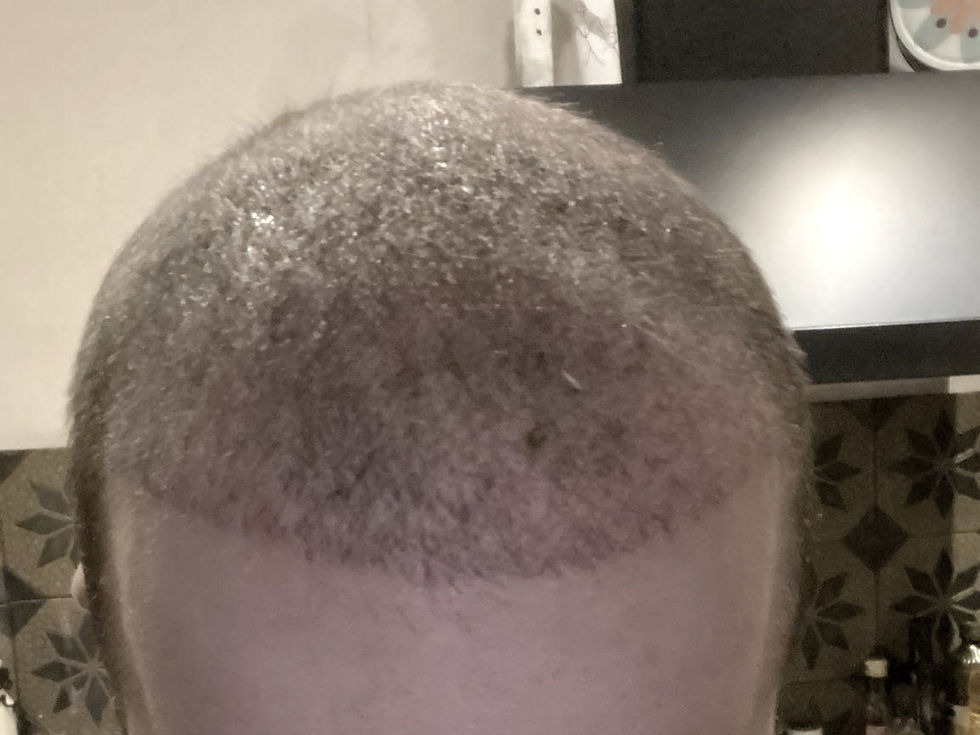
While shock loss can never be completely guaranteed against, there are several clinical and holistic strategies used to minimize its severity and accelerate the regrowth phase.
1. Medical Stabilization (Topical Stimulants): Stabilizing native hair before surgery is a powerful way to mitigate shock loss. By utilizing topical growth stimulants like Minoxidil in the months leading up to the procedure, we encourage localized blood flow and strengthen miniaturized follicles. This makes them significantly more resilient to surgical stress without interfering with the body's natural systemic or hormonal balance.
2. Nutritional Optimization: Hair follicles are highly metabolically active, and their recovery depends entirely on the body's internal environment. A diet rich in essential amino acids, iron, zinc, and crucial vitamins (such as B-complex and D) provides the fundamental building blocks required for rapid cellular repair. Prioritizing nutritional health before and after surgery ensures your vascular network has the raw resources necessary to sustain new grafts and quickly awaken native hairs from the dormant phase.
3. Platelet-Rich Plasma (PRP) Therapy: At Eva Estetica, we often utilize PRP therapy during and after the procedure. By injecting concentrated growth factors from the patient's own blood back into the scalp, we provide an immediate "biostimulatory" boost. This helps repair the vascular network and encourages shocked follicles to return to the growth phase more quickly.
4. Low-Level Laser Therapy (LLLT) / Red Light Therapy: Red light therapy is a highly effective tool for post-operative recovery. It works at a cellular level to stimulate mitochondria, improve micro-circulation, and reduce tissue inflammation. Regular sessions in the weeks following surgery can significantly shorten the duration of the shedding phase.
5. Surgical Restraint and Precision: The most important prevention strategy is the surgeon's technique. Using ultra-fine Sapphire blades or DHI implanter pens allows for smaller, cleaner incisions that cause minimal trauma to the surrounding tissue. Respecting the "safe distance" between transplanted grafts and native hair is the ultimate clinical safeguard against permanent follicular damage.
(Explore Our Aftercare Protocol: The Continuum of Care: Why Healing is the Final Stage of Artistry)
The Psychological Timeline: From Shedding to Growth
Managing shock loss is as much a psychological challenge as a physical one. It is important for patients to align their expectations with the biological timeline:
Weeks 2-6: The "Shedding Phase." This is when shock loss peaks. You may lose both transplanted and native hair.
Months 2-3: The "Dormant Phase." The scalp may look thinner than it did before the surgery. This is the "ugly duckling" stage of recovery.
Months 4-5: The "Early Growth Phase." Fine, thin hairs begin to emerge from the shocked follicles.
Months 8-12: The "Maturation Phase." The hair gains caliber (thickness), pigment, and texture, resulting in the final, dense appearance.
Quick Checklist: What to Remember
You can use this as a one-page reminder during early recovery.
☐ Expect shedding between 2–8 weeks
☐ Follow you clinic washing protocol exactly
☐ Do not pick or rub scabs
☐ Avoid unapproved topicals and early exercise that causes heavy sweating
☐ Keep scalp protected from direct sun
☐ Take weekly progress photos from the same angle
☐ Contact you clinic if you see redness, pus, fever or unexplained severe loss
Conclusion: Trusting the Biological Process
Shock loss is not a sign that your transplant has failed. It is a sign that your scalp is working exactly as it should redirecting its resources toward healing and preparing for a new cycle of growth.
At Eva Estetica, we view shock loss as a manageable part of a larger architectural plan. By combining high-precision surgical techniques with rigorous aftercare and medical stabilization, we ensure that the "shock" to your system is as brief and gentle as possible.
The transition from shedding to growth requires patience and trust in the biological process. When you prioritize tissue respect and clinical mastery over immediate graft counts, the temporary shedding of today becomes the foundation for the thick, natural, and permanent results of tomorrow.


Comments