Hair Transplant Shock Loss: Temporary Reset vs. Permanent Trauma


Imagine looking in the mirror three weeks after your hair transplant. The initial redness is beautifully fading, the scabs have washed away, and then—suddenly—the newly implanted hairs begin to fall out. Even more unsettling, you might notice some of your original, native hair shedding right alongside them.
If you are experiencing this scenario, your first instinct is likely panic. You have invested significant time and resources into restoring your hair, and seeing it fall out feels entirely counterintuitive.
Take a deep, stabilizing breath: Your procedure has not failed. What you are experiencing is known clinically as Telogen Effluvium, more commonly referred to as "shock loss." While it is the most significant psychological hurdle of the entire recovery journey, it is rarely a surgical complication. It is a highly predictable, biologically necessary response to the physiological event of surgery.
When the scalp undergoes the trauma of micro-incisions and follicular relocation, the body’s innate healing mechanism triages its metabolic priorities. It temporarily halts the energy-intensive process of growing hair, directing all its resources toward cellular repair and establishing a new vascular network for the implanted grafts. Consequently, thousands of follicles simultaneously "shock" themselves into a dormant state, shedding their current hair shafts to conserve energy.
To navigate this "ugly duckling" phase with confidence, you must move beyond surface-level reassurance. By understanding the precise biological triggers of shock loss—and the critical difference between a temporary physiological reset and genuine surgical trauma—you can replace post-operative anxiety with absolute clinical certainty.
Table of Contents
The Microscopic Reality: Understanding the Follicular Lifecycle
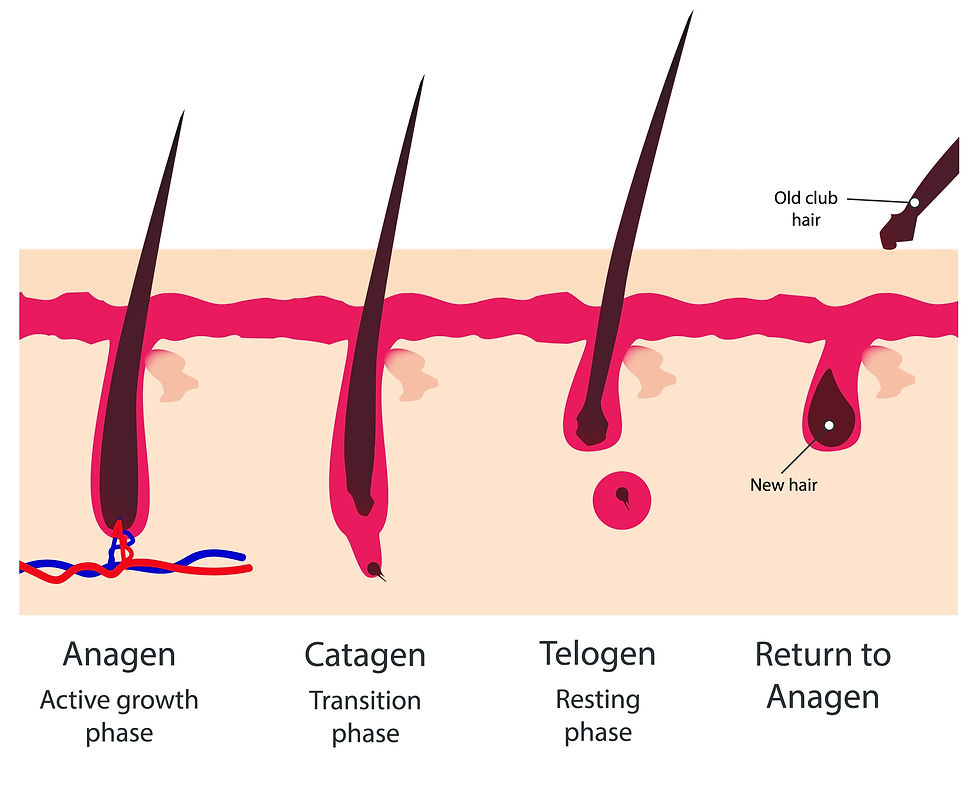
To understand why shock loss occurs, it is essential to first understand how hair grows. At any given moment, every follicle on the human scalp operates independently within a continuous, three-phase lifecycle:
Anagen (The Growth Phase): The highly active metabolic state where the follicle produces a hair shaft. This phase typically lasts between two to six years.
Catagen (The Transitional Phase): A brief, two-to-three-week period where the follicle ceases hair production and begins to detach from its primary blood supply.
Telogen (The Resting & Shedding Phase): The follicle enters a state of dormancy lasting roughly three to four months. At the end of this phase, the old hair shaft is shed, and the follicle re-enters the Anagen phase to produce a new hair.
Under normal physiological conditions, approximately 10% to 15% of your hair is in the Telogen phase at any time. This staggering of lifecycles ensures that natural shedding goes entirely unnoticed.
However, the surgical intervention of a hair transplant acts as a systemic stressor. The localized trauma causes a massive synchronization of the follicular lifecycle. The body effectively signals thousands of follicles—both transplanted and native—to bypass the Anagen phase and enter the Telogen phase simultaneously. This synchronized dormancy is what produces the visible, temporary thinning known as shock loss.
The Trauma Threshold: Why the Scalp Reacts

Not all shock loss is created equal. The severity and duration of Telogen Effluvium are directly correlated to what clinical architects refer to as the Trauma Threshold. A hair transplant introduces three distinct forms of stress to the scalp, and how a surgical team manages these variables dictates the biological response:
Vascular Trauma (Blood Supply Disruption): Every follicle relies on a microscopic capillary network for oxygen and nutrients. When recipient sites (incisions) are made too closely together—a common flaw in overly aggressive "mega-sessions"—the localized blood supply is severely restricted. This acute lack of oxygen forces surrounding native hairs into immediate dormancy.
Chemical Trauma (Tumescent Fluids): To ensure patient comfort and limit bleeding, fluids containing local anesthetics and adrenaline are injected into the scalp. While medically necessary, adrenaline temporarily constricts blood vessels, altering the scalp's chemical balance and localized pressure. Follicles are highly sensitive to these shifts, which is why shock loss can sometimes occur in the donor area (the back of the head) where no incisions were made.
Mechanical Trauma (Friction and Handling): If extraction punches are operated at excessively high speeds, or if grafts are handled roughly during implantation, the structural integrity of the follicle is compromised.
When an elite medical institute meticulously controls these variables—utilizing precise spatial planning, ultra-fine instrumentation, and gentle fluid administration—the trauma remains strictly below the threshold of permanent damage. The resulting shock loss is purely a temporary biological reset, ensuring the follicles quickly return to their Anagen growth phase.
Temporary vs. Permanent Shock Loss: The Critical Distinction

One of the most important clinical concepts a patient must grasp is the fundamental difference between temporary shedding and permanent shock loss. While temporary shedding is a standard physiological response, permanent loss is a highly avoidable complication rooted in surgical execution.
Temporary Shock Loss (Physiological Reset): This is the standard, expected reaction detailed above. It occurs when healthy, robust follicles are temporarily disrupted by the surgical environment. Because the structural integrity of the follicle remains fully intact, the dormant phase is strictly temporary. Once the scalp heals, the inflammatory response subsides, and the vascular network reconnects, these follicles seamlessly transition back into the Anagen (growth) phase. Within three to four months, the new hair shafts begin to emerge.
Permanent Shock Loss (Surgical Complication): Permanent shock loss is a much more serious clinical outcome, and it primarily occurs under two specific conditions:
Trauma to Miniaturized Native Hair: Hair follicles that have been severely weakened by years of exposure to Dihydrotestosterone (DHT) operate on incredibly fragile biological margins. These "dying" miniaturized hairs lack the robust cellular energy of healthy follicles. If subjected to excessive surgical trauma, they may not possess the biological strength to recover from the Telogen phase, resulting in permanent dormancy.
Follicular Transection: Permanent loss can also occur in completely healthy native hair if a clinician places a new graft too close to an existing follicle. If the surgical instrument accidentally severs the hidden root of the native hair (transection) or physically crushes its support structures, the follicle is permanently destroyed.
This underscores a vital medical reality: the prevention of permanent shock loss relies entirely on the precise spatial awareness and microscopic discipline of the clinical architect.
Deep Dive: Want to understand exactly how DHT weakens native hair prior to surgery? Explore the biological progression of genetic hair loss and how we plan around it in our comprehensive clinical breakdown: Male Pattern Baldness Explained: Genetics, DHT, and Hair Loss Planning
Vascular Integrity: Preventing Hair Transplant Shock Loss Through Tissue Respect

At elite institutions, the primary surgical strategy for minimizing hair transplant shock loss revolves around one non-negotiable biological principle: the preservation of the scalp’s vascular integrity.
During the architectural planning phase, a master clinician must constantly balance the patient's desire for aesthetic density against the physiological limits of the tissue. Every individual hair follicle is fed by a microscopic capillary network. If a clinic attempts to pack thousands of incisions too tightly together in a single, aggressive "mega-session," this fragile vascular web is essentially obliterated.
The localized tissue becomes ischemic—severely deprived of blood flow and oxygen. When the surrounding native hairs are abruptly starved of this vital nutrition, the scalp defends itself by triggering profound, and often permanent, hair transplant shock loss.
The "Tissue Respect" Methodology
At Eva Estetica, we counter this risk through a strict surgical doctrine known as Tissue Respect. This approach guarantees that the pursuit of density never compromises biological safety. We achieve this through two critical pillars:
Mathematical Spacing: Rather than relying on visual guesswork, we utilize advanced diagnostic mapping to calculate the absolute optimal spacing for every recipient site. This precise geometric distribution ensures the scalp can comfortably support the new grafts without choking the blood supply to the native follicles.
Micro-Surgical Instrumentation: This biological mathematics is executed using the world's most refined surgical tools. Instruments such as the synthetic Sapphire FUE blade and the Choi Implanter Pen (used in DHI) allow our clinicians to create ultra-precise, V-shaped incisions. Unlike standard steel blades that can tear or crush surrounding structures, these advanced tools part the epidermal tissue cleanly.
This geometric precision is the ultimate safeguard against severe hair transplant shock loss. By keeping the micro-vascular network largely intact, the scalp maintains robust, uninterrupted blood flow throughout the procedure and into the critical healing phase. When the tissue is profoundly respected at a microscopic level, the severity of the subsequent shedding phase is drastically reduced, and the pathway to permanent growth is secured.
Deep Dive: Discover why packing maximum graft counts into a single session is a dangerous clinical compromise. Explore the architectural limits of the scalp and the physics of tissue respect in our dedicated overview: The Fallacy of the Mega-Session: Why Session Size Does Not Equal Quality
Clinical Strategies to Mitigate and Manage Hair Transplant Shock Loss
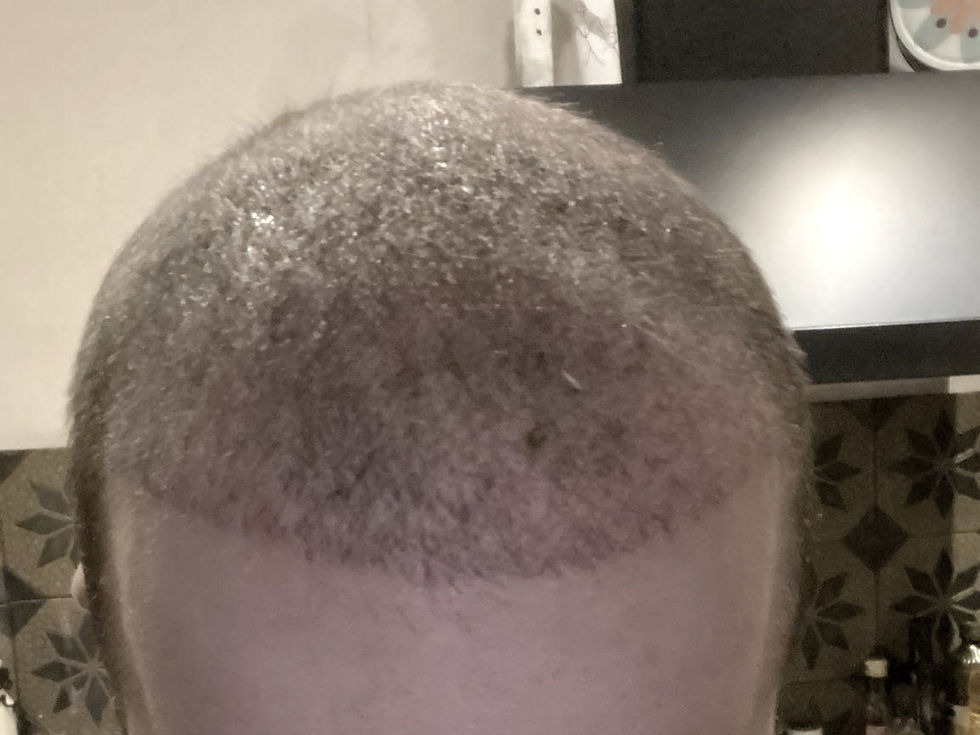
While the physiological reset of shock loss cannot be entirely eliminated, a comprehensive medical protocol can significantly reduce its duration and accelerate the return to active growth.
1. Pre-Operative Medical Stabilization: Preparing the biological canvas before surgery is highly effective. By utilizing topical growth stimulants (such as Minoxidil) in the months preceding the procedure, localized blood flow is enhanced, and miniaturized follicles are fortified. This proactive stabilization makes native hairs significantly more resilient to the impending surgical stress.
2. Platelet-Rich Plasma (PRP) Therapy: PRP is a powerful biostimulatory intervention. By isolating concentrated growth factors from the patient's own blood and introducing them to the scalp, the clinical team provides an immediate biological boost. These growth factors actively encourage rapid vascular repair, helping to awaken shocked follicles from dormancy much faster than the body's natural timeline.
3. Low-Level Laser Therapy (LLLT): In the post-operative recovery phase, targeted Red Light Therapy operates at a cellular level. Specific wavelengths of light penetrate the dermal layers, stimulating mitochondrial activity and increasing the production of adenosine triphosphate (ATP). This surge in cellular energy accelerates tissue repair, significantly reduces localized inflammation, and supports a faster transition out of the Telogen shedding phase.
4. Nutritional Optimization: Hair follicles are highly metabolically active structures. Their recovery depends heavily on a nutrient-rich internal environment. A diet prioritized around essential amino acids, iron, zinc, and B-complex vitamins provides the fundamental raw materials the body requires to synthesize new hair shafts once the resting phase concludes.
The Psychological Timeline: Trusting the Process

Navigating hair transplant shock loss is ultimately an exercise in clinical patience. The most effective way to manage the psychological weight of the recovery phase is to strictly align your expectations with the biological realities of cellular regeneration.
Understanding this timeline transforms the anxiety of shedding into a quiet confidence in the healing process:
Weeks 2 to 6 (The Shedding Phase): During this window, Telogen Effluvium reaches its peak. You may experience a significant shedding of the newly transplanted grafts, and frequently, the surrounding native hair. It is critical to remember that you are losing the hair shaft, not the root. The follicle itself remains safely anchored beneath the skin, shifting its metabolic energy away from growth and toward tissue repair.
Months 2 to 3 (The Dormant Phase): This is widely considered the most psychologically challenging phase of the journey—often referred to as the "ugly duckling" stage. Because the shocked follicles are resting, the scalp may temporarily appear thinner or patchier than it did prior to your surgery. This is not a regression; it is the physiological reset period required for the localized vascular network to fully heal and reconnect.
Months 4 to 5 (The Early Growth Phase): As the follicles finally transition back into the Anagen (active growth) phase, new hairs will begin to breach the surface of the scalp. Initially, these hairs will appear exceptionally fine, soft, and often unpigmented (lacking color). This occurs because the melanocytes—the cells responsible for hair color—take longer to reactivate than the structural cells of the follicle.
Months 8 to 12 (The Maturation Phase): This is when the architectural design truly begins to materialize. The new hair shafts gradually gain their final biological caliber (thickness), natural texture, and deep pigment. The structural density continues to compound month over month as dormant hairs mature at slightly different rates. By the 12-to-14-month mark, the final, undetectable aesthetic is fully realized.
Hair transplant shock loss is not a complication; it is the definitive sign that your scalp is successfully prioritizing healing and establishing the robust vascular foundation necessary to support permanent grafts.
When you entrust your restoration to a clinical team that demands tissue respect and cellular recovery, the temporary shedding of today is simply the necessary, biological precursor to the enduring aesthetic of tomorrow.
The Recovery Matrix: Your Post-Operative Checklist

Navigating the early stages of recovery requires strict adherence to clinical protocols. Use this checklist as your daily architectural guide during the critical first two months following your procedure.
The Biological Timeline
☐ Anticipate the Shedding Window: Expect temporary Telogen Effluvium (shock loss) to begin between weeks two and eight. Remember, this is a physiological reset, not a surgical failure.
☐ Monitor the Dormant Phase: Accept that the scalp may look thinner in months two and three. This is the temporary "ugly duckling" phase before the Anagen (growth) cycle restarts.
Protecting the Surgical Canvas
☐ Adhere to the Washing Protocol: Execute the clinic’s specific daily washing routine with absolute precision. Proper hydration and gentle cleansing are vital for cellular recovery and scab removal.
☐ Maintain Absolute Friction Control: Under no circumstances should you pick, scratch, or rub the recipient or donor areas. Let the scabs soften and detach naturally to avoid dislodging newly anchored grafts.
☐ Enforce UV Protection: The scalp remains highly photosensitive post-surgery. Strictly protect your head from direct, prolonged ultraviolet (sun) exposure to prevent permanent hyperpigmentation and tissue damage.
Managing Internal Physiology
☐ Restrict Vasodilating Activities: Avoid heavy cardiovascular exercise, sauna use, or any activity that causes profound sweating or blood pressure spikes for the first 14 days to prevent bleeding and excessive swelling (edema).
☐ Consult Before Chemical Application: Do not apply unapproved topicals, harsh shampoos, or over-the-counter hair fibers until expressly cleared by your clinical team.
Clinical Accountability
☐ Document Your Progress Objectively: Take high-resolution photos weekly from the exact same angles and lighting conditions. This objective data is crucial for your remote clinical assessments.
☐ Recognize Signs of Complication: Immediately contact the clinic if you experience symptoms beyond standard healing, including spreading redness, localized heat, purulent discharge (pus), systemic fever, or sudden, severe, asymmetrical hair loss.
Deep Dive: Healing is the final and most critical stage of surgical artistry. Explore our exact post-operative protocols, washing directives, and biological milestones in our comprehensive recovery guide: The Continuum of Care: Hair Transplant Aftercare
Conclusion: Trusting the Biological Process
Experiencing hair transplant shock loss can test the resolve of even the most thoroughly prepared patient. However, it is vital to remember that this shedding is not a symptom of surgical failure; it is the ultimate proof that your scalp's regenerative mechanisms are working exactly as intended. The body is intelligently redirecting its cellular resources toward healing the surgical canvas and preparing the micro-environment for a robust, new cycle of growth.
At Eva Estetica, we do not view this shedding phase as an unfortunate side effect, but as a meticulously managed variable within our larger architectural blueprint. By combining high-precision surgical instrumentation, rigorous post-operative biostimulation (like LLLT and PRP), and proactive medical stabilization, we ensure the physiological "shock" to your system remains strictly temporary and as gentle as medical science allows.
The transition from dormancy to permanent growth requires profound patience and trust in the biological timeline. When you prioritize structural tissue respect and true clinical mastery over the dangerous allure of maximum graft counts, the temporary shedding of today simply becomes the biological down payment for the thick, undetectable, and enduring aesthetic of tomorrow.
Frequently Asked Questions: Hair Transplant Shock Loss
1. What exactly is hair transplant shock loss?
Hair transplant shock loss, clinically known as Telogen Effluvium, is a temporary shedding phase that occurs after surgery. The localized trauma of the procedure triggers both transplanted grafts and surrounding native hairs to prematurely enter the resting (Telogen) phase of their lifecycle, causing the hair shafts to fall out while the follicle heals beneath the skin.
2. How long does hair transplant shock loss last?
The shedding phase typically begins two to six weeks after the procedure. The affected follicles then enter a dormant state that lasts for roughly two to three months. By the fourth or fifth month, the follicles re-enter the growth (Anagen) phase, and new hair shafts begin to emerge.
3. Is hair transplant shock loss permanent?
Standard shock loss is strictly temporary. The root of the follicle remains healthy and secure beneath the scalp. However, permanent shock loss can occur if a clinic uses overly aggressive surgical techniques (such as packing too many grafts into one area) that permanently destroy the blood supply, or if they accidentally sever existing healthy roots during implantation.
4. Why am I losing my native, non-transplanted hair?
The scalp’s vascular network is highly interconnected. The physical micro-trauma of the surgical incisions, combined with the injection of tumescent fluids and adrenaline, creates a localized stress response. This stress can temporarily disrupt the blood flow and chemical balance of surrounding native hairs, forcing them into a temporary shedding phase alongside the new grafts.
5. Can shock loss happen in the donor area (the back of the head)?
Yes. While less common than recipient-area shedding, donor area shock loss can occur. It is typically caused by the mechanical friction of the extraction punch or the temporary constriction of blood vessels caused by the local anesthesia and adrenaline injected into the tissue during the procedure.
6. Does a higher number of grafts increase the risk of shock loss?
Yes. "Mega-sessions" involving massive graft counts require thousands of tiny incisions to be made in a very concentrated area. This dense surgical packing severely compromises the localized blood supply (vascular integrity), significantly increasing the likelihood of profound and sometimes permanent hair transplant shock loss.
7. How can I prevent or minimize shock loss?
While you cannot prevent it entirely, you can minimize its severity by medically stabilizing your hair prior to surgery. Using topical treatments like Minoxidil (as advised by your surgeon) strengthens native hair. Post-surgery, adhering to a strict nutritional protocol and utilizing Low-Level Laser Therapy (LLLT) accelerates cellular recovery.
8. Do PRP treatments help with hair transplant shock loss?
Yes. Platelet-Rich Plasma (PRP) therapy is a highly effective biostimulatory treatment. By injecting concentrated growth factors from your own blood into the scalp, PRP accelerates vascular repair, reduces post-operative inflammation, and encourages dormant follicles to return to the active growth phase much faster.
9. How do I know if my shock loss is temporary or permanent?
Only time and professional clinical assessment can definitively tell. If your surgery was performed by an elite medical institute utilizing strict "Tissue Respect" spacing protocols, the loss is almost certainly temporary. If the shedding does not resolve after 6 to 8 months, or if severe scarring is present, a medical consultation is required to assess for permanent vascular damage.
10. Should I keep washing my hair if it is shedding heavily?
Absolutely. You must strictly adhere to the clinic's daily washing protocol, even during peak shedding. Gentle cleansing keeps the scalp free of bacteria, removes softened scabs, and ensures a highly oxygenated environment. Stopping your washing routine out of fear will actually impede cellular recovery and increase the risk of infection.


Comments